Give the horror premise a story engine
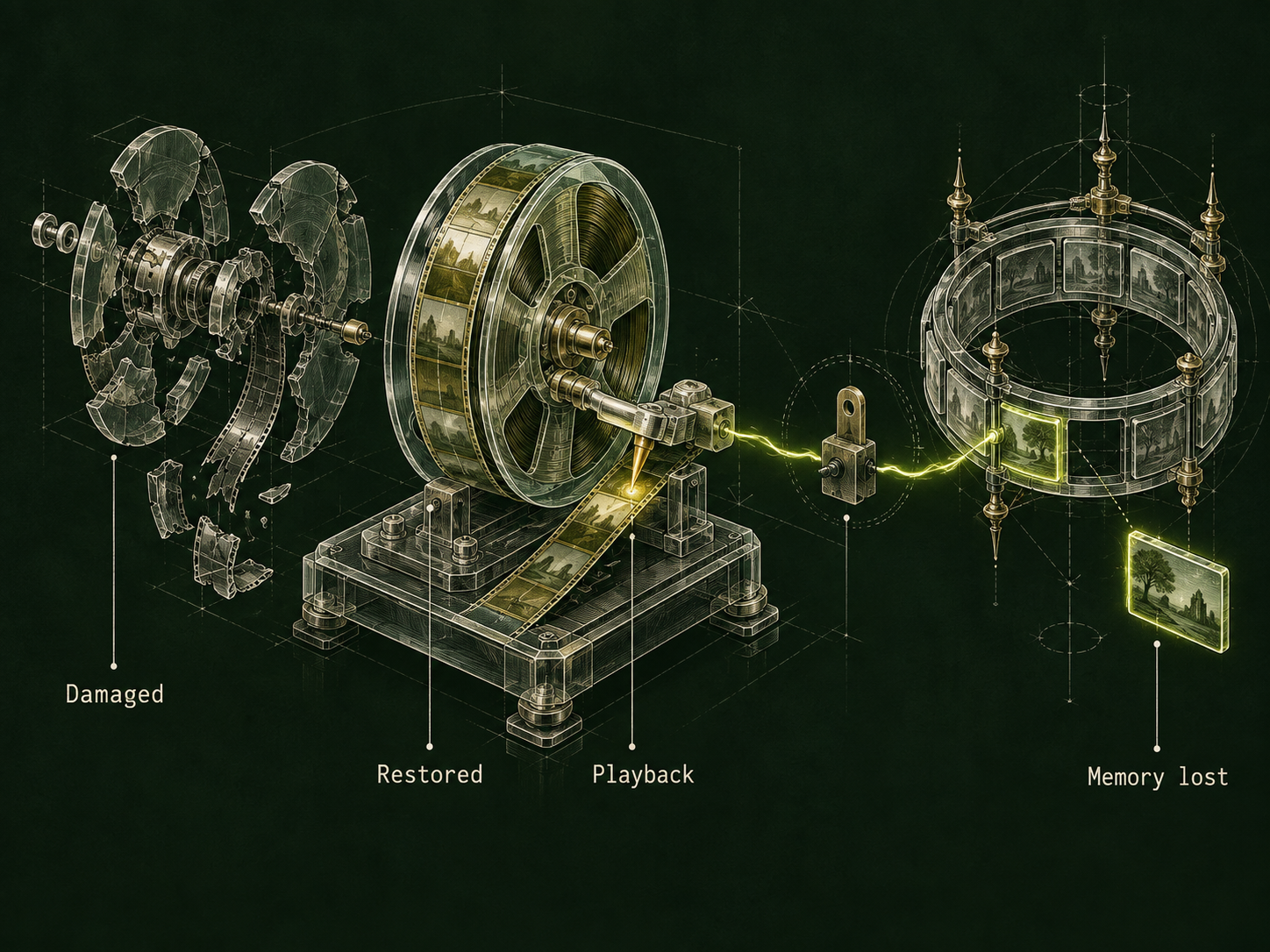
A plot needs a character with a reason to act. “A haunted archive” describes a setting. “An archivist must restore a missing recording before the archive closes, but each restoration erases a person from her memory” connects a goal, a threat and a decision.
The premise above is an original writing exercise. Its engine is the tradeoff: progress toward the goal creates a cost. That cost can change the next choice instead of requiring a new monster whenever the story slows down.
Ask an assistant for alternatives that change the conflict. One version could make the archivist personally responsible for the missing recording. Another could make the deadline a choice she imposed on herself. Select the conflict you want to explore before asking for chapters. Otherwise the outline may grow in length while remaining emotionally static.
Write rules that make the threat legible
A supernatural event does not need a complete scientific explanation. It does need enough consistency for consequences to feel earned. Decide what activates the disturbance, what changes after activation and which apparent solution makes it worse.
Threat: restoring a recording removes one personal memory.
Trigger: the archivist completes a restoration and plays it.
Early clue: a familiar name no longer means anything to her.
Limit: damaged recordings cannot trigger the effect until restored.
False solution: restoring everything faster increases the loss.
Unknown: who originally damaged the recordings and why.
The unknown preserves mystery; the limit preserves logic. If any recording can erase anything at any time, the character’s actions lose significance. If a late scene changes the rule, plant evidence that the earlier understanding was incomplete.
Use the assistant to inspect contradictions between scenes. Ask which event violates the rule as currently written, then decide whether to revise the scene or revise the rule and its setup.
Make each act change the available choices
| Part | Change in understanding | Decision that moves the story |
|---|---|---|
| Discovery | A restoration appears connected to a memory gap. | She restores a second recording to test the pattern. |
| Escalation | The lost memory concerns someone who warned her. | She searches existing notes before restoring again. |
| Confrontation | The missing recording may explain her own earlier choice. | She must choose what she is willing to lose to hear it. |
The second restoration follows from the first discovery. The search follows from the new cost. The final choice grows from both. That causal connection is what turns a collection of eerie scenes into a plot.
A chapter outline should describe those changes rather than only its atmosphere. “The archive becomes more sinister” is hard to evaluate. “She finds a note in her handwriting warning her not to finish” gives the next scene a question and a choice.
Choose an ending that answers the right question
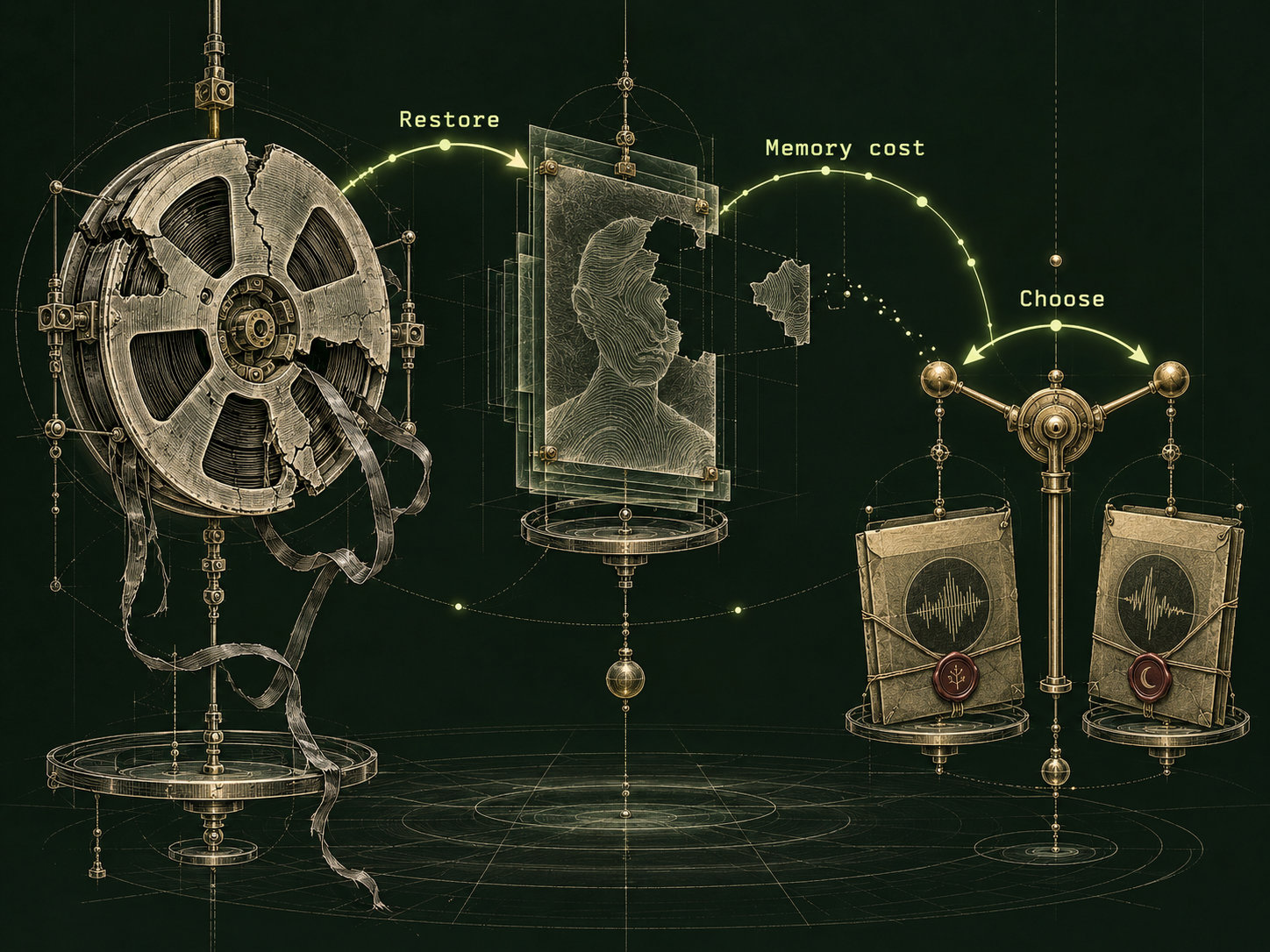
The ending does not have to explain every supernatural detail. It should resolve the central decision you asked the reader to care about. If the story is about whether the archivist values truth more than a relationship, the climax needs to put those values into conflict.
Ask for endings with different consequences rather than different last-line shocks. In one, she accepts the cost and discovers what she had hidden. In another, she preserves the relationship and leaves a dangerous record incomplete. A third could expose that her previous self made the same choice.
Evaluate each against the setup. A reveal that the archive was a dream would need a story purpose beyond canceling the events. A new villain arriving in the final paragraph cannot carry the emotional payoff of a decision the protagonist never had to confront.
Use AI to find plot gaps without flattening your voice
Request a structural review before a prose rewrite. Have the assistant list the protagonist’s goal in each scene, the evidence available to her and the consequence of her choice. A scene without a change may be useful atmosphere, but too many can stall the plot.
Keep a continuity record of the threat rules, important objects and what each character knows. Separate a proposed change from an accepted decision so a later draft does not accidentally incorporate three incompatible versions.
This guide’s method and examples are original creative exercises, not findings from a study or a transcript of generated output. You decide the story’s meaning and its language. Use the assistant to pressure-test the structure, then keep the passages whose rhythm and details belong to the story you want to tell.
Sources & further reading
Follow the original source to check its date and scope.
- Dark fiction scene workshop
DarkGPT | the companion exercise focuses on scene tension; this guide builds the complete plot.
Make it your next question
Try this prompt
Use this promptHelp me outline an original fictional horror story. Ask what the protagonist wants and what the disturbance can do. Offer three causally different endings. Track setup and payoff without writing the full story until I choose the direction.
Opens chat with this prompt filled in. You choose when to send it.